




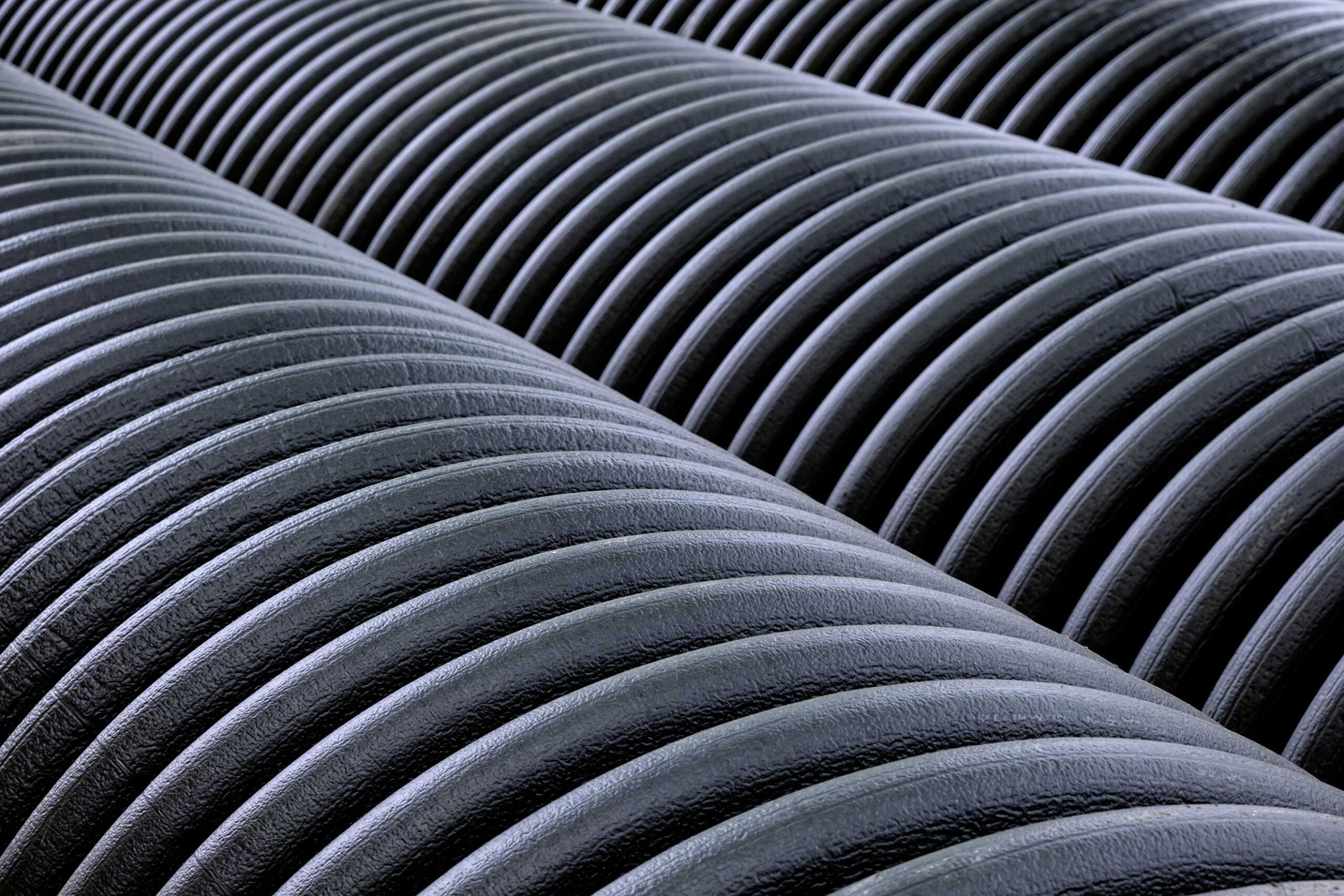
For many years, watertight joints in corrugated HDPE pipe relied on a simple idea: compress a solid rubber gasket between the spigot and the bell. It worked and became standard practice across the industry.
But as jobsite demands increased and performance standards became stricter, gasket design had to improve.
Much of the progress that followed was driven by engineers focused specifically on improving joint performance. Among those is Mark Knapp, founder and owner of SpringSeal, whose work over several decades helped shape many of the gasket designs used in corrugated pipe systems today.
Understanding how these seals have evolved helps explain why today’s systems install easier and perform better.
The Early Days of Solid Rubber Gaskets
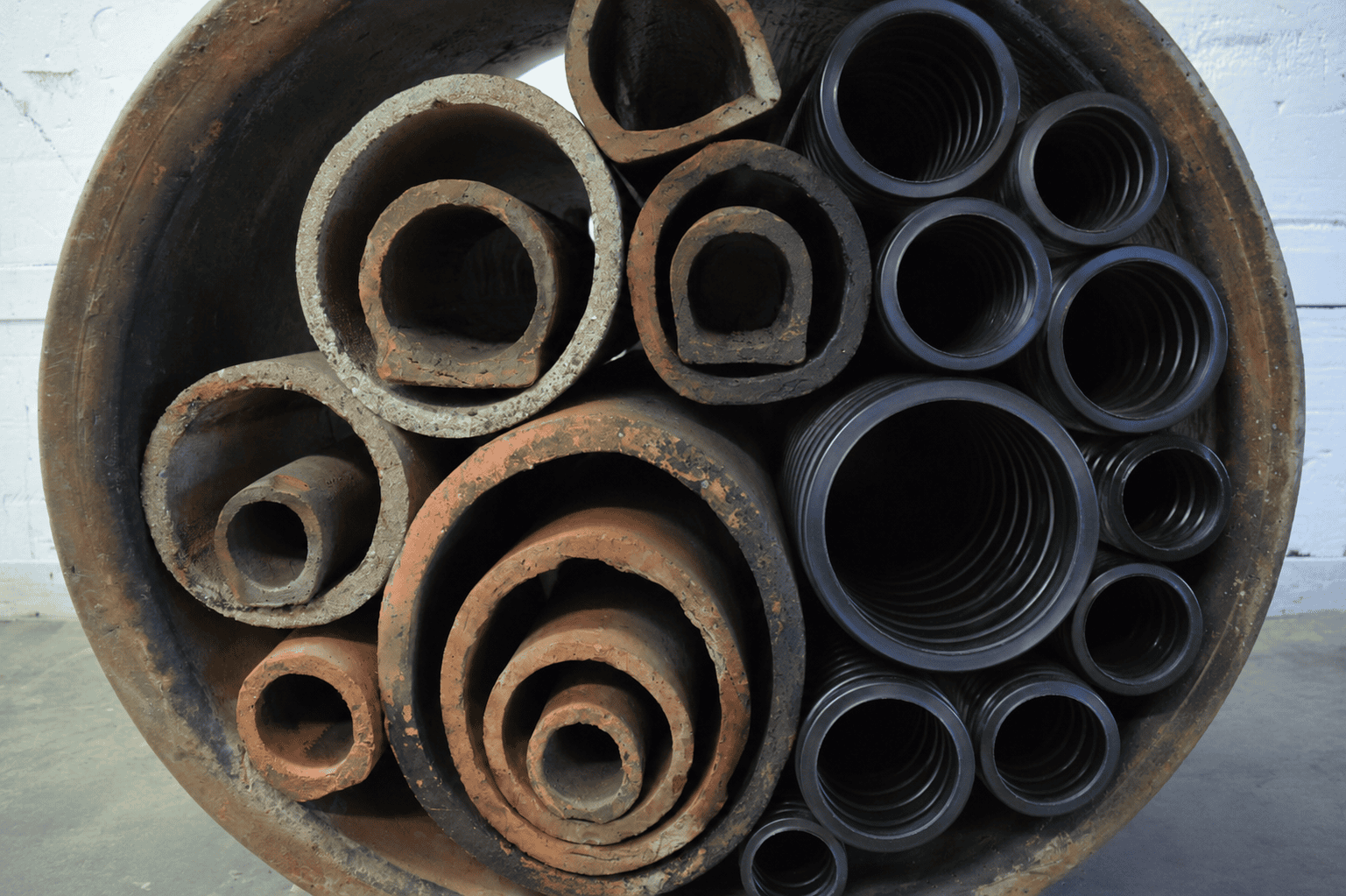
Early corrugated pipe gaskets were usually made from 100 percent thermoset rubber such as EPDM or polyisoprene. These gaskets were large and heavy. They relied on bulk material and compression to create a seal.
They were strong and durable, but they had drawbacks:
- A large amount of material
- High stretch during installation
- Possible rolling out of place
- Possible distortion of pipe wall
- Higher material cost
Installers often had to stretch the gasket over the pipe and hope it stayed seated during assembly. Rolling was common, especially in larger diameters. When a gasket rolled, it could lead to leaks or require the joint to be taken apart and redone.
It worked, but it was not always efficient.
Engineering a Better Seal
By the mid-1990s, engineers began looking for a better way to design pipe gaskets—one that would improve sealing performance while making installation more reliable.
Mark, who has spent more than 35 years developing pipe gasket systems for the drainage industry, became a key figure in this shift. In 1996, he began developing gasket designs that used dual-hardness thermoplastic vulcanizate (TPV) materials. Instead of relying on a single solid rubber compound, his designs combined materials with different hardness levels into a single gasket profile.
This concept became widely known as multi-hardness gasket design, and it represented a significant step forward in corrugated pipe joint technology.
In simple terms, different parts of the gasket perform different jobs:
- A firmer base helps anchor the gasket in place
- A softer sealing surface compresses to block water
- In some designs, a low-friction outer layer helps the pipe slide together more easily
By combining materials in one extrusion, engineers reduced the amount of rubber needed while improving stability and consistency.
This shift marked an important step forward in gasket performance.
Improvements in Shape and Performance
Material innovation was only part of the evolution. Engineers also refined the shape and placement of the gasket inside the bell to improve sealing performance.

Fratco-branded pre-lubricated film gaskets are coated with a low COF film that cannot be wiped off or removed.
Many of these refinements built on the same engineering principles Knapp helped introduce—using material hardness and geometry together to control compression and movement.
Some designs moved the sealing surface closer to the bell wall. This reduced stress on the pipe during assembly and improved pressure performance. Other profiles increased the hardness of the base material, sometimes up to 80 or 90 durometer. A higher durometer means a firmer material, which helps prevent movement and improves stability during installation.
Pre-lubricated surfaces were also introduced. These coatings reduced friction and required less stretch during installation.
Together, these improvements helped create:
- Less rolling
- More consistent compression
- Easier assembly
- Better long-term sealing
For contractors, that meant fewer callbacks and more predictable performance in the field.
Why This Matters Today
Modern drainage systems are expected to last longer and perform under more demanding conditions. Some systems must handle higher internal pressures. Others must withstand heavier soil loads and traffic loads.
Multi-hardness gasket designs allow manufacturers to:
- Control compression more precisely
- Improve pipe stability
- Reduce wall distortion
- Use materials more efficiently
- Increase pressure capability
These improvements are not just technical details. They affect how the pipe installs and how it performs over decades underground.
The Evolution of Bell/Bell (Anaconda) Gaskets


Most recently updated in 2014, this is the LoxSeal Tri-Extruder inline gasket which features no rolling.
Looking Forward
The evolution of gasket design shows how steady engineering improvements shape the drainage industry. What started as a simple rubber ring has become a carefully engineered sealing system.
Mark Knapp’s work in multi-hardness gasket development helped move the industry toward more reliable, installation-friendly joint designs and engineers continue building on those principles today. As manufacturing methods and materials advance, gasket systems will likely become even more specialized for specific applications.
For contractors and engineers, understanding this progression builds confidence in modern joint systems. It also reinforces an important truth: long-term performance depends on both sound engineering and proper installation.