




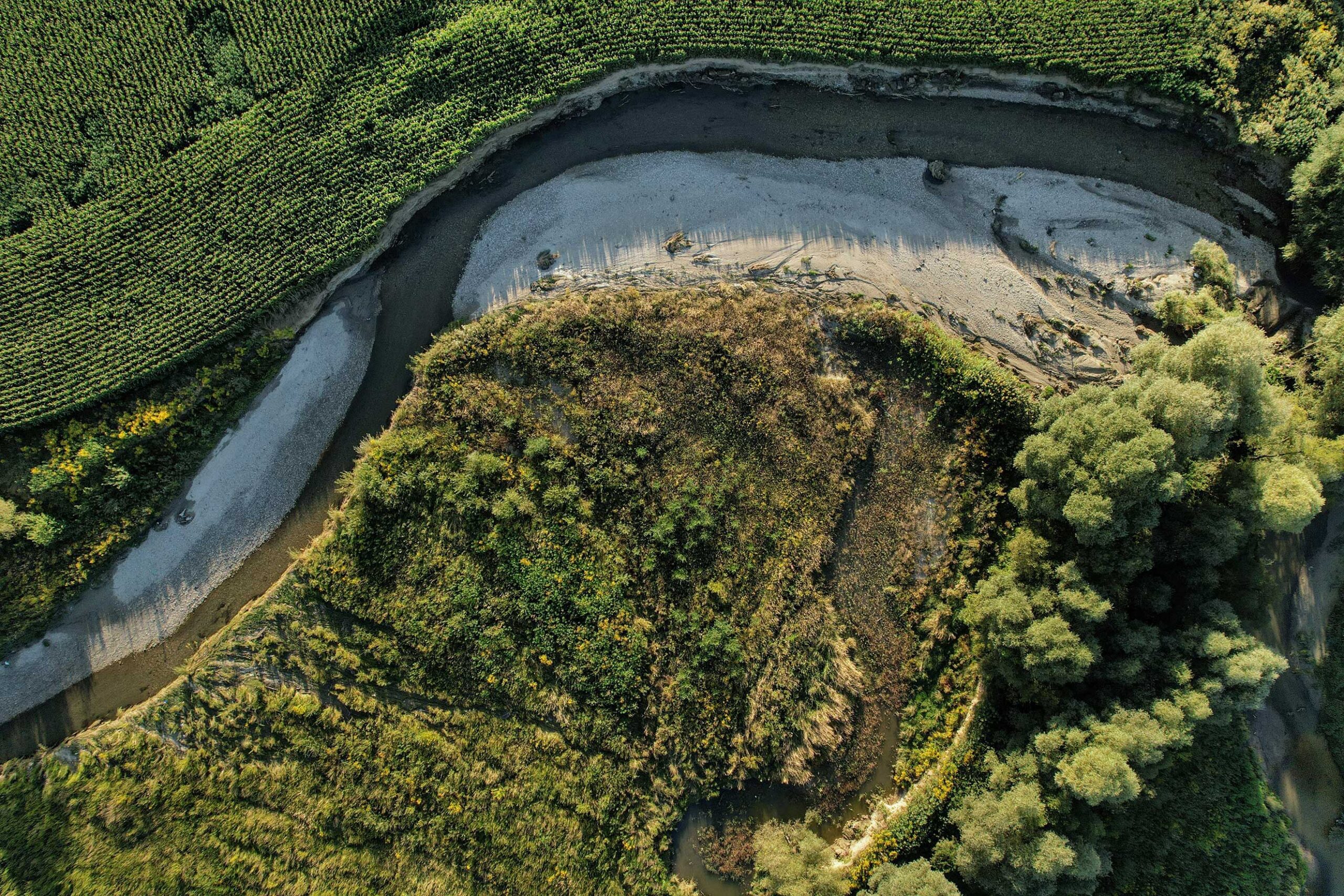
In the 1930s, no one saw the Dust Bowl coming.
But when an extended drought scenario descended on the Great Plains after years of wheat farming had steadily replaced the region’s moisture-retaining prairie grasses, well… suddenly, the problem was real.

That was a long time ago, and science has become far more sophisticated.
Yet, that’s precisely why water insecurity is on everyone’s radar.
Today, even places like the Pacific Northwest, where it “always rains,” and the deep south, where water is everywhere, are experiencing new water-stress realities, brought on by everything from unusual climate cycles and aquifer depletion to population shifts and aging infrastructure.
And this doesn’t even account for the entirely new demand pressure tied to the rise of AI data centers.
Something else no one saw coming in the 1930s.
Is the Breadbasket at Risk of Getting Crusty?
Outside of the Dust Bowl, America’s heartland has historically been immune to concerns about water security. Over the past several decades, however, as weather patterns across the Midwest have become increasingly volatile, water isn’t as reliable as it used to be.
For ag experts here, water insecurity isn’t about how much rain falls in a year. It’s about when it falls, how quickly it leaves the landscape and whether it’s stored or managed effectively.
Midwest growers frequently experience two seemingly contradictory problems in the same year: intense precipitation in the off-season and preseason, followed by prolonged dry periods.
Heavy spring storms can dump inches of rain in a matter of hours, saturating fields and insufficient drainage systems, while eroding soils and stripping away nutrients. Then, by mid-summer, crops may be stressed for moisture as rainfall shuts off during critical growing stages.
In other words, the Midwest is not necessarily getting less water overall. But the water it receives is arriving in ways that make it harder to optimize.
On a grander scale, the question becomes, “Is this a new reality or a trend toward something worse on the horizon?”
Lessons From the West
Literally out there on the horizon are regions well ahead of the curve on water insecurity, where persistent drought conditions have already pushed farmers and engineers to rethink how water moves through agricultural landscapes.
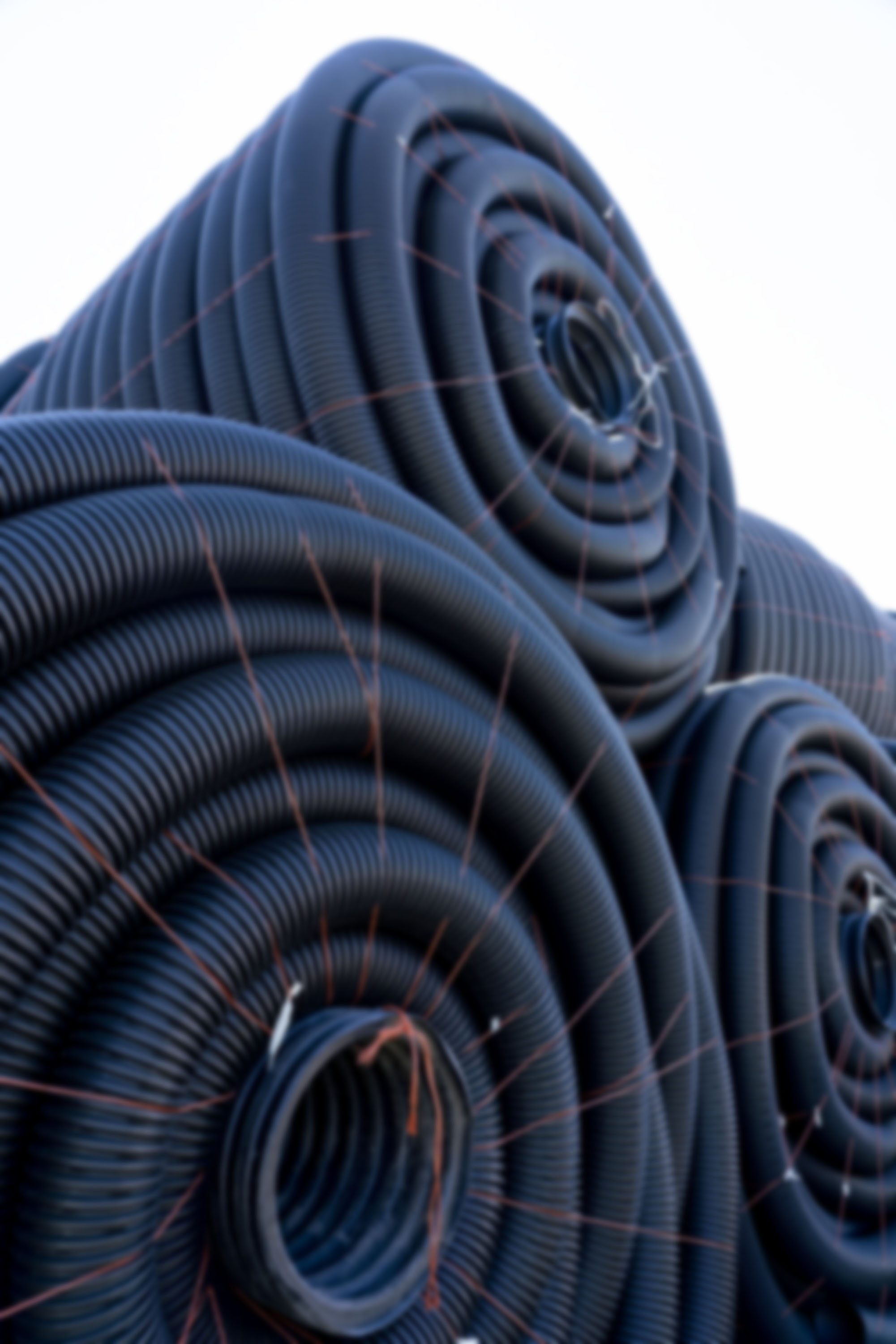
In many of these regions, from California to places like Delta, Utah (featured in this issue’s Built for Dry Ground article), subsurface networks similar in form to Midwestern drainage systems—perforated pipe, collector mains and engineered outlets—are being used not simply to move water away from fields, but to direct, capture and reuse it as needed.
For flyover states, these applications out west offer a useful case study. While the Midwest region faces very different hydrologic conditions, the underlying engineering principles are remarkably similar. The same subsurface pipe networks already installed beneath millions of acres of farmland could potentially be adapted to become equally valuable water-management systems.
Even if western-intense drought doesn’t befall the Heartland someday, water management has incredible benefits that go beyond full-season water security, including better water quality, soil nutrient preservation and runoff control.
More foundationally, management is also a key feature of reducing aquifer dependence. Folks in Nebraska and Kansas might not be having Dust Bowl flashbacks yet. But, in recent years, the Ogallala Aquifer underneath their states and several others has been registering record lows.


Being More Intentional About Pipe Systems
Out west and all across the country, one promising approach is controlled drainage. By installing adjustable water control structures within pipe systems, farmers can hold water in the soil profile during parts of the growing season rather than allowing it to drain away immediately. This stored water can help sustain crops during dry periods while also reducing nutrient loss.
Another strategy is drainage water recycling, where water is stored in ponds or reservoirs and later reused for irrigation during dry spells. Although more common in research settings today, the concept illustrates a broader shift toward treating water not as waste to be removed, but as a resource to be administered.
Managed aquifer recharge is yet another initiative, and it’s gaining momentum in Department of Transportation (DOT) applications as well as agriculture. Rather than simply pulling stormwater away from streets and lots, open drainage systems are designed to collect the water and direct it toward replenishing underground resources.
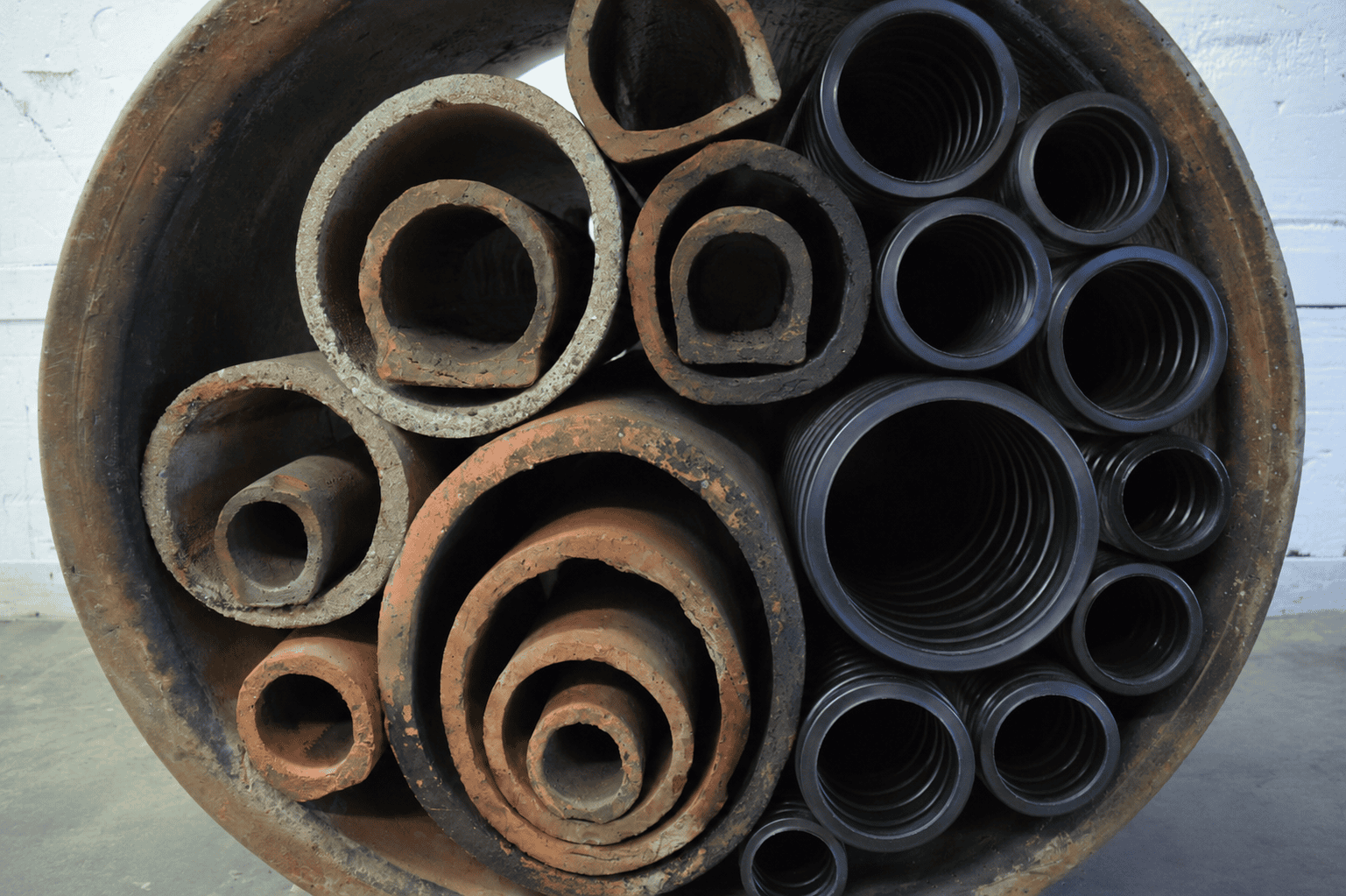
With this drainage-to-management shift in mind, it becomes more imperative for engineers and pipe-system installers to be skillfully intentional about pipe material selection, proper pipe sizing, flow rate and sloping for efficient water movement.
They’ll also need to consider other management-system factors, including storage capacity—with studies suggesting on-farm reservoirs of six to eight percent of the field area—wetland restoration, and landscape features that slow water movement through watersheds.
Planning for the Future
Water scarcity in the Midwest is unlikely to look like the dramatic shortages seen in the Southwest. There isn’t talk of dry river gorges, emergency water trucking or desalination.
Instead, scarcity may appear in more subtle forms. Think crop stress during key growth stages, declining groundwater levels in localized areas, more frequent drought declarations or rising conflicts among agricultural, municipal and environmental water users.
Because the Midwest still has relatively abundant water compared with much of the world, it has an opportunity many regions no longer possess—the chance to adapt before crisis forces change.
That adaptation will require collaboration between farmers, drainage contractors, watershed managers and civil engineers. It will also require rethinking decades of infrastructure design assumptions.
The central question should no longer be how quickly water can be removed from the landscape. Instead, it should be how effectively the region can capture, store and manage the water it receives. And, at Fratco,
we’re honored and excited to be a part of the solution going forward.

SOURCES: American Society of Civil Engineers | Federal Reserve Bank of Chicago | Multipure | USDA National Institute of Food and Agriculture | ACS ES&T Engineering