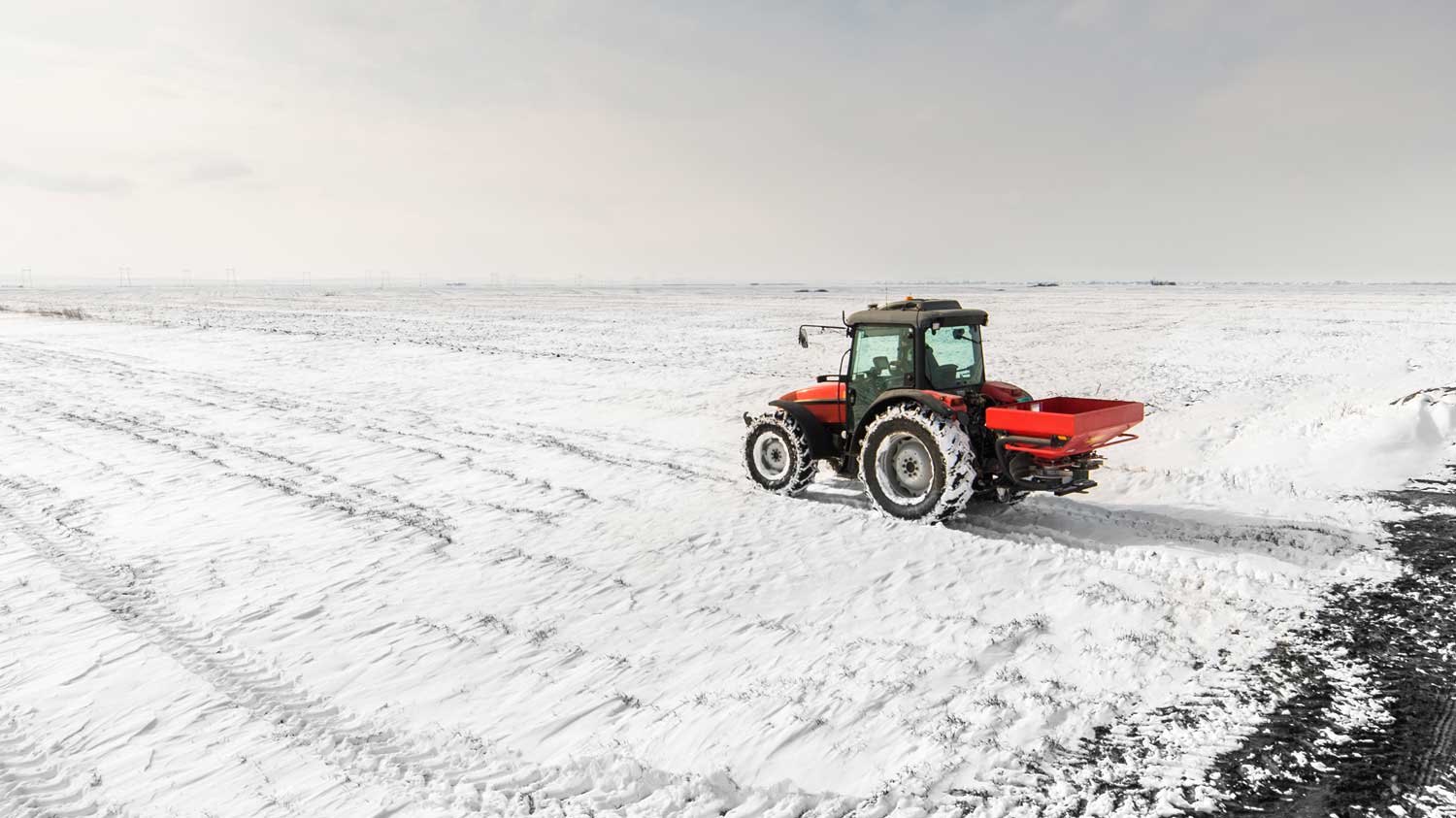





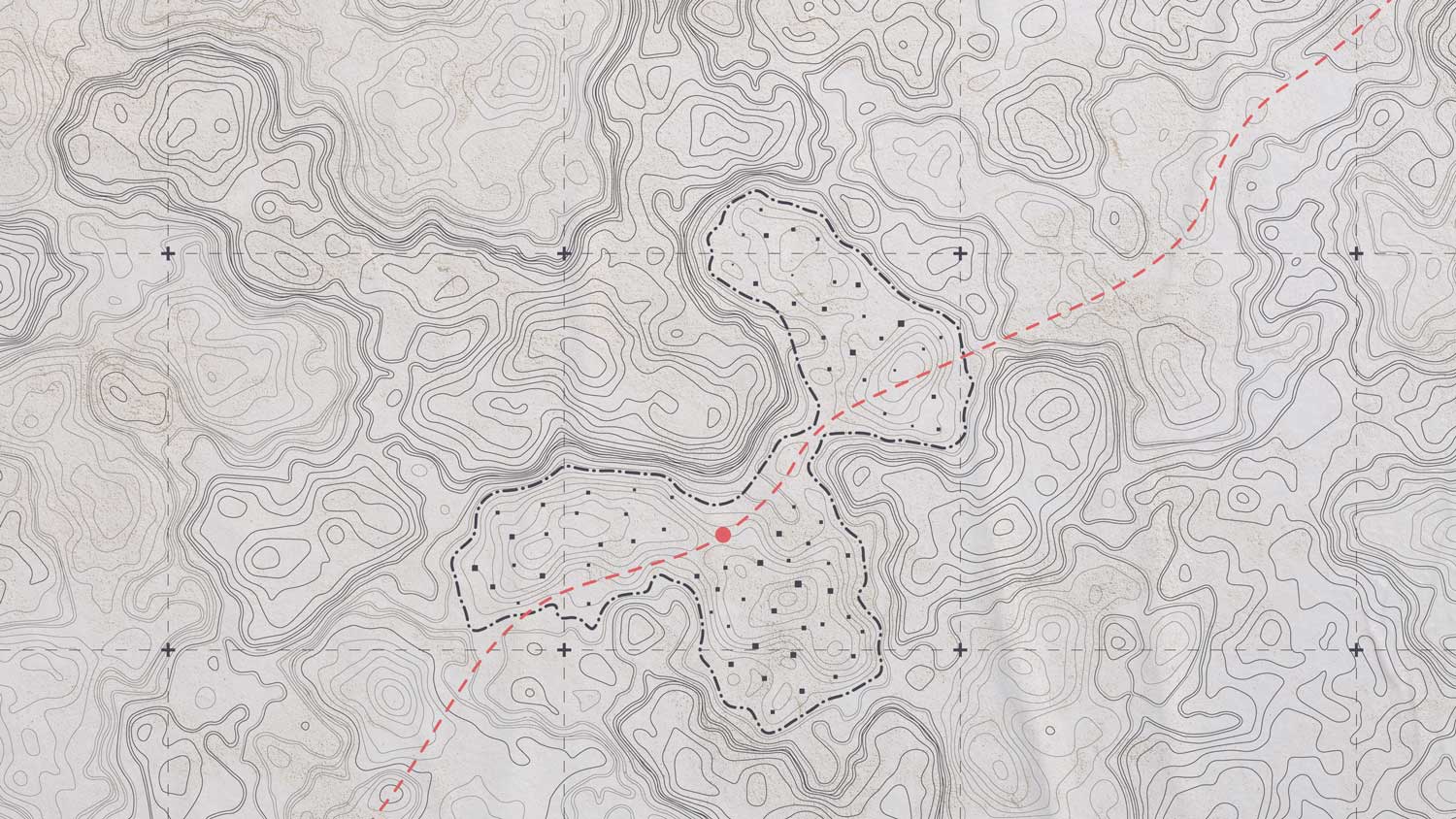
No hace mucho tiempo, instalar tuberías de drenaje significaba leer la topografía a simple vista, confiar en el instinto y esperar que el nivel láser se mantuviera estable con el viento. Sin embargo, en las últimas dos décadas, el GPS ha revolucionado la forma en que se instalan las tuberías en el campo, influyendo en todo, desde la profundidad de las zanjas y la precisión de las pendientes hasta la documentación y la eficiencia de los proyectos. Lo que comenzó como una novedad en la agricultura de precisión se ha convertido en una herramienta estándar en el sector del drenaje. Ahora, se avecina una nueva actualización de la infraestructura GPS, y vale la pena saber cómo podría afectar a su trabajo.
Del concepto a la piedra angular
A principios de la década de 2000, los contratistas y agricultores comenzaron a experimentar con equipos guiados por GPS para mejorar el diseño y la instalación de sistemas de tuberías de drenaje. Aunque los sistemas iniciales eran torpes y costosos, las ventajas eran evidentes: pendientes más precisas, espaciado entre líneas repetible e instalaciones más rápidas con menos correcciones. A medida que los fabricantes de equipos adoptaron la integración del GPS, los sistemas se volvieron más inteligentes, fáciles de usar y precisos, especialmente con la introducción de las señales de corrección RTK (cinemática en tiempo real), que reducen la precisión a menos de una pulgada.
Los socios de Fratco fueron de los primeros en adoptar esta tecnología. A medida que aumentaban las exigencias de precisión, nuestras líneas de productos de tuberías se adaptaron para estar a la altura del desafío. Estas tuberías están diseñadas con la consistencia, durabilidad y rendimiento de las uniones necesarios para cumplir con los exigentes estándares que permiten los sistemas controlados por GPS.
Hoy en día, la instalación de tuberías basada en GPS no es solo una buena práctica. Es la norma. Tanto si eres un contratista que instala kilómetros de tuberías SingleCorr bajo campos de cultivo como si colocas tuberías ProCorr para la gestión comercial del agua, es muy probable que dependas de los datos satelitales para hacerlo.
Qué nos depara el 2026 y por qué es importante
Aunque la tecnología GPS se ha vuelto cada vez más fluida, se está produciendo un cambio entre bastidores que los contratistas deben tener en cuenta.
En 2026, el Sistema Nacional de Referencia Espacial (NSRS), el marco que sustenta el posicionamiento GPS en Norteamérica, sufrirá una importante actualización. Se sustituirán dos sistemas fundamentales, el NAD 83 y el NAVD 88. Según un reciente memorándum de la Extensión de la Universidad Estatal de Iowa, los datos actuales se desvían ligeramente del centro real de la Tierra, hasta 2,2 metros en horizontal y un metro en vertical en algunos lugares.
La actualización aportará una mayor precisión, pero también significa que sus líneas A-B, límites de campo y mapas de tuberías de drenaje existentes podrían dejar de coincidir exactamente. Esto podría suponer un problema para las instalaciones que dependen de estaciones base RTK más antiguas o de redes de corrección públicas.
Si utiliza WAAS o sistemas comerciales como Trimble, Ag Leader o John Deere RTK, es posible que no note un gran cambio, ya que es probable que esos servicios gestionen el cambio automáticamente. Sin embargo, si su configuración utiliza estaciones RTK locales o redes de corrección estatales, es posible que sea necesario realizar alguna recalibración o incluso volver a realizar mediciones para mantener sus instalaciones alineadas y conformes.
Qué puedes hacer
- Consulte con su proveedor de GPS.
Pregunte cómo están gestionando la actualización del NSRS y qué medidas, si las hay, deberá tomar. - Vuelva a examinar los campos o proyectos críticos.
Especialmente aquellos con proyectos heredados o planes de gestión a largo plazo. - Manténgase informado
El equipo de ISU Extension ha elaborado una guía útil adaptada a las aplicaciones agrícolas. Vale la pena leerla para cualquiera que gestione su propio diseño de drenaje.
¡Consulte el artículo de la Universidad Estatal de Iowa con más información, también incluido en nuestra página de Noticias del sector!
Socio destacado
Schlatter’s Inc.
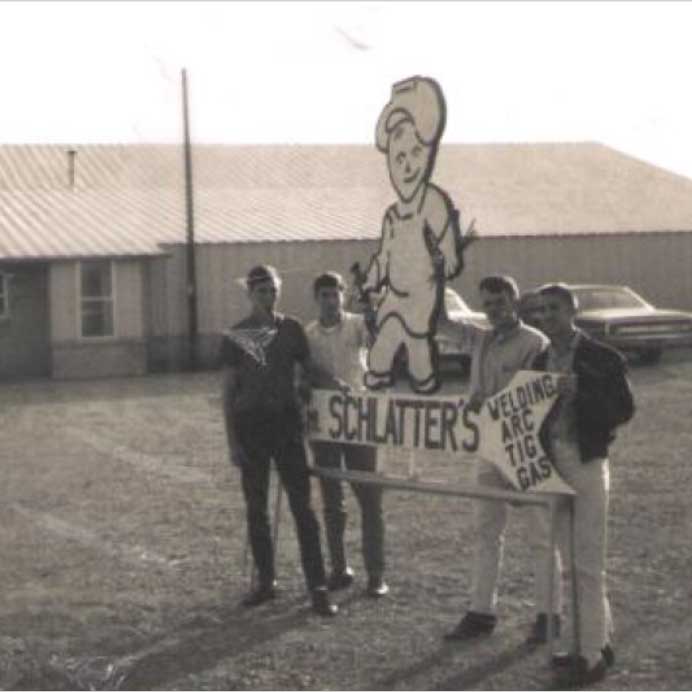
Para los contratistas que buscan asesoramiento experto y soluciones GPS de vanguardia, Schlatter's Inc. es un nombre en el que puede confiar. Como aparece en el Verano de 2025 cuestión de Tried & True, Schlatter's lleva años ayudando a los contratistas a manejar el software GPS, los sistemas RTK y las herramientas de instalación de precisión. No solo venden el equipo, sino que también ofrecen los conocimientos necesarios para que sus operaciones sean precisas y estén preparadas para el futuro, especialmente con la llegada de los cambios de 2026.
En Fratco, creemos que mantenerse a la vanguardia no solo tiene que ver con la tubería, sino también con las herramientas y los conocimientos necesarios para utilizarla correctamente. Tanto si está explorando nuevas tecnologías como si está tendiendo líneas por instinto, estamos aquí para asegurarnos de que el trabajo se mantenga, hoy, mañana e incluso después de que los satélites cambien.
Más información sobre Schlatter’s Inc. en su artículo destacado.