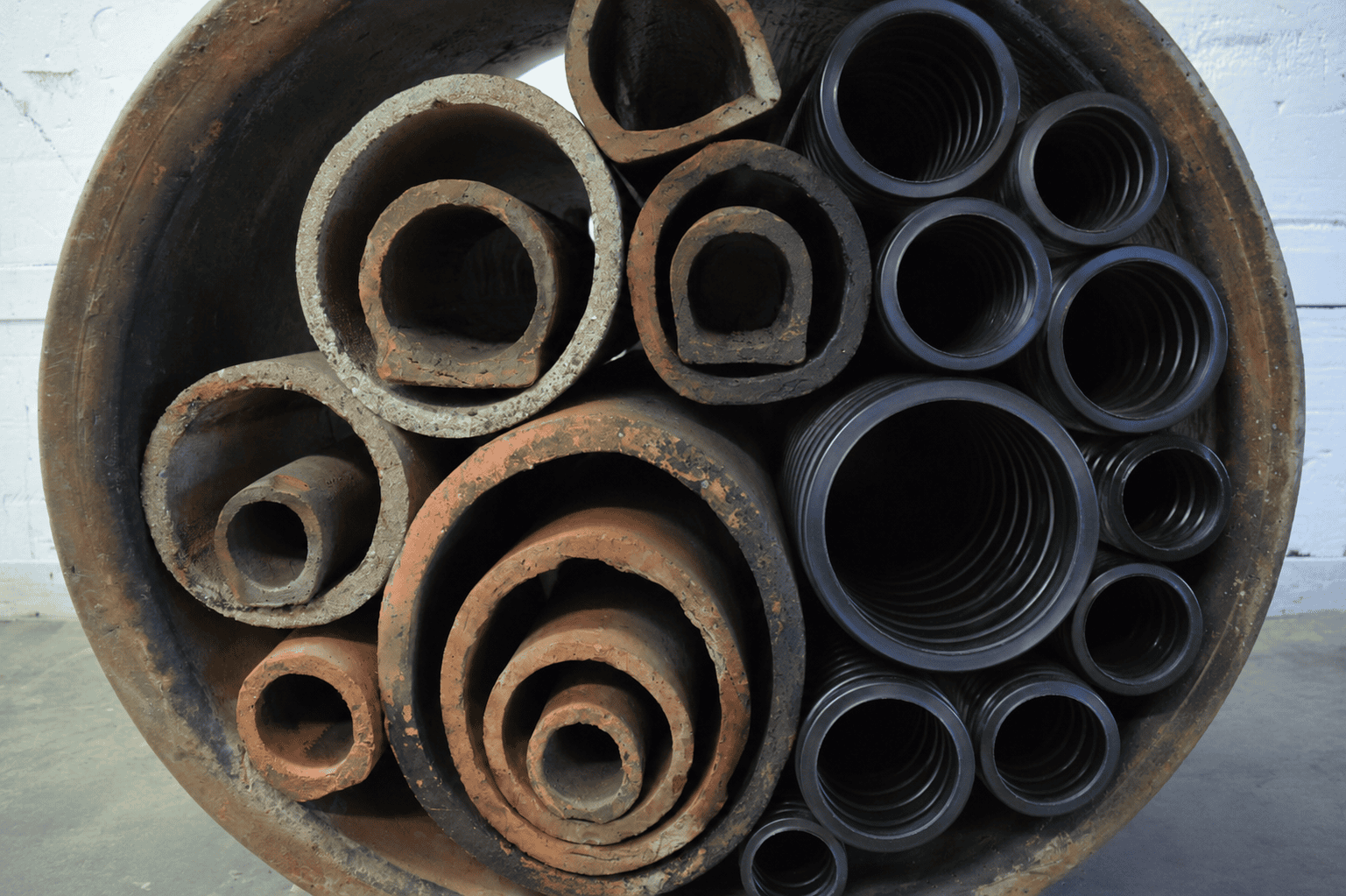





De una u otra forma, la tubería de plástico corrugado se ha utilizado bajo las autopistas interestatales durante más de 30 años. Durante gran parte de ese tiempo, los ingenieros la consideraron una alternativa especializada frente al hormigón y al acero más convencionales, reconociendo las ventajas de bajo costo del plástico, pero especificándola únicamente cuando las condiciones no eran demasiado exigentes.
Hoy en día, sin embargo, gracias a una evolución constante de la ingeniería, particularmente en los materiales de HDPE y HDPP y en el diseño de tuberías, la tubería plástica corrugada ha avanzado para cumplir o superar las normas fundamentales de la AASHTO y la ASTM que definen las aplicaciones de los departamentos de transporte; y algunos departamentos de transporte estatales, desde Nueva York hasta Ohio y California, ahora permiten diámetros de tubería de plástico de 48 y hasta 60 pulgadas.
La infraestructura obsoleta está abriendo el campo de la competencia
Los informes sobre sistemas de infraestructura con décadas de antigüedad que llegan al fin de su vida útil son extensos, y los elementos clave del transporte, incluida la gestión de aguas pluviales, no son la excepción, lo que inspira a los estados de todo el país a marcar el comienzo de una era a gran escala de rehabilitación de infraestructura.
Los programas de financiamiento federal, como la Ley de Inversión en Infraestructura y Empleos de 2021, están avanzando para acelerar los ciclos de reemplazo, al tiempo que fomentan el uso de materiales modernos que pueden desafiar a los envejecidos sistemas de acero corrugado y concreto reforzado que están fallando.
Como resultado, las tuberías de plástico están obteniendo una nueva oportunidad para demostrar su valor, ganando una participación creciente en las mejoras de drenaje municipales y estatales en los EE. UU. debido a una serie de atributos que se alinean de manera única con las tendencias actuales de la industria.

Cruzando el umbral de rendimiento
Los menores costos de los materiales, un peso más ligero que reduce los gastos de envío y una instalación más rápida —que ha llevado a los contratistas a reportar mejoras en la eficiencia laboral cercanas a 40%— son todas ventajas que desde hace tiempo han hecho que las tuberías de plástico resulten atractivas para los funcionarios del Departamento de Transporte (DOT) que buscan aprovechar al máximo los fondos asignados en el presupuesto.
Lo que ha cambiado de forma tan drástica con las mejoras en la ingeniería de tuberías es cómo el plástico está igualando o superando a sus competidores materiales de varias maneras.
A diferencia de los materiales extremadamente rígidos, la tubería de plástico corrugado distribuye las cargas mediante la interacción con el suelo y es más resistente al movimiento del terreno causado por ciclos de congelación y deshelar, inundaciones o inestabilidad del suelo; todos factores conocidos por causar grietas, separación de juntas y, en última instancia, fallas catastróficas en los sistemas tradicionales de acero y concreto.
Además, la tubería de plástico es altamente resistente a la corrosión, una causa principal de fallas en las alcantarillas metálicas. Los estudios indican que un gran porcentaje de las fallas en las tuberías de los sistemas tradicionales están vinculadas a la corrosión, un problema prácticamente eliminado con el HDPE. Para los departamentos de transporte (DOT), esto significa menos reparaciones de emergencia, presupuestos de mantenimiento más bajos y una gestión de activos más predecible.
Por último, debido a los eventos de precipitaciones más frecuentes e intensas en muchas regiones, la tubería de plástico está llamando la atención por su diseño de doble pared, que presenta un exterior corrugado para mayor resistencia y un interior liso para un flujo hidráulico óptimo. Esta característica de doble pared no solo mueve el agua más rápido, sino que también crea la fuerza necesaria para impulsar los sedimentos a lo largo de la línea, lo que reduce aún más el mantenimiento.
Presentando Soluciones de Aplicación Únicas
A medida que la tubería de HDPE se consolida en el sector principal de los departamentos de transporte (DOT), los ingenieros también están encontrando formas nuevas y avanzadas de utilizarla.
Rehabilitación sin zanja de alcantarillas dañadas
En lugar de reemplazar alcantarillas de metal o concreto deterioradas mediante excavaciones a cielo abierto costosas y disruptivas, los departamentos de transporte (DOT) están utilizando tuberías de plástico corrugado de menor diámetro como un “revestimiento interior” que se inserta en la tubería existente. El espacio anular entre la tubería vieja y la nueva se rellena con lechada, lo que restaura la integridad estructural y prolonga la vida útil de la alcantarilla por décadas.
Instalación rápida para gestión de aguas pluviales
Debido a su peso ligero y facilidad de manejo, la tubería de plástico corrugado permite una instalación rápida en proyectos viales con plazos ajustados. Por otro lado, su flexibilidad funciona sumamente bien en áreas reducidas donde la tubería rígida requeriría una excavación masiva.
Pulido y Retención de la Calidad del Agua
Más allá de simplemente transportar agua, la tubería de plástico corrugada perforada suele preferirse en la gestión de aguas pluviales como parte de un sistema de filtración para recolectar agua subterránea y reducir la erosión en los terraplenes de carreteras.
Superando un emocionante nuevo obstáculo en Minnesota
Reducir los costos de ingeniería en los proyectos del Departamento de Transporte (DOT) es una casilla que nunca se marca realmente como “lista”. Y esa es tal vez la única realidad que expande de manera más significativa el potencial de las tuberías de plástico.
Hasta 2018, solo las tuberías de plástico hechas de resina virgen estaban autorizadas para su uso en aplicaciones del DOT. Desde entonces, los cambios en las normas de AASHTO y ASTM permiten el uso de tuberías hechas de plásticos reciclados, lo que puede reducir aún más los costos del proyecto
cuesta considerablemente.

¿Quieres saber más sobre la resina de alta calidad de Fratco y cómo se utiliza en nuestra pipa? ¡Haz clic en la miniatura para ver un breve video!
Si bien la adopción de cambios tan fundamentales por parte de los gobiernos suele tomar tiempo, un informe publicado por el Departamento de Transporte de Minnesota el verano pasado podría ser el punto de inflexión que acelere al máximo el uso de tuberías de HDPE.
Allí, los funcionarios aprovecharon un proyecto de reemplazo de alcantarillas en una carretera estatal para realizar una prueba comparativa de tuberías de HDPE hechas de material virgen frente a aquellas con una mezcla de 40:60 de material virgen y reciclado.
Tras tres años en el suelo sin diferencias apreciables en el desempeño, la mezcla reciclada generó un ahorro de $16.4 millones (7,1%) en una evaluación de costos del ciclo de vida que comparó “los costos en valor actual (a lo largo de un período de 100 años) de un sistema de tuberías de 1,000 pies, (basados en) materiales; instalación; mantenimiento y reemplazo; y vida útil prevista”.”
Además, dado que requiere menos energía para producirse, la tubería de mezcla reciclada también obtuvo mejores resultados en cuanto a sus beneficios ambientales que el MnDOT reportó como “menor impacto en el calentamiento global, la acidificación, la eutrofización (cuando el agua se enriquece demasiado con nutrientes) y el smog”, todas características que seguramente resonarán entre las agencias gubernamentales de transporte que impulsan iniciativas de sostenibilidad.
Preparados para mejorar el camino por delante
El creciente uso de tuberías de plástico corrugado por parte de los departamentos de transporte (DOT) de los estados de EE. UU. refleja una transformación más amplia en las prioridades de infraestructura. Si bien antes se centraban principalmente en los costos iniciales de los materiales, las agencias están evaluando el rendimiento durante su ciclo de vida, el impacto ambiental y la eficiencia en la construcción.
La tubería corrugada de HDPE ofrece grandes ventajas en todas estas dimensiones. Es más ligera, rentable, resistente a la corrosión y fácil de instalar que los materiales tradicionales, al tiempo que apoya los objetivos de sostenibilidad y una mejor gestión del agua.
A medida que la inversión en infraestructura continúa y los estándares evolucionan, es probable que el papel de la tubería de plástico corrugado en la construcción de carreteras se expanda aún más. Lo que alguna vez fue un material alternativo se está convirtiendo rápidamente en la opción predeterminada para los sistemas de transporte modernos.


FUENTES: Plastic Pipe Institute | Texas Tech Transportation Research Report | Global X | Global Growth Insights | Recycling Today | Minnesota Transportation Research