




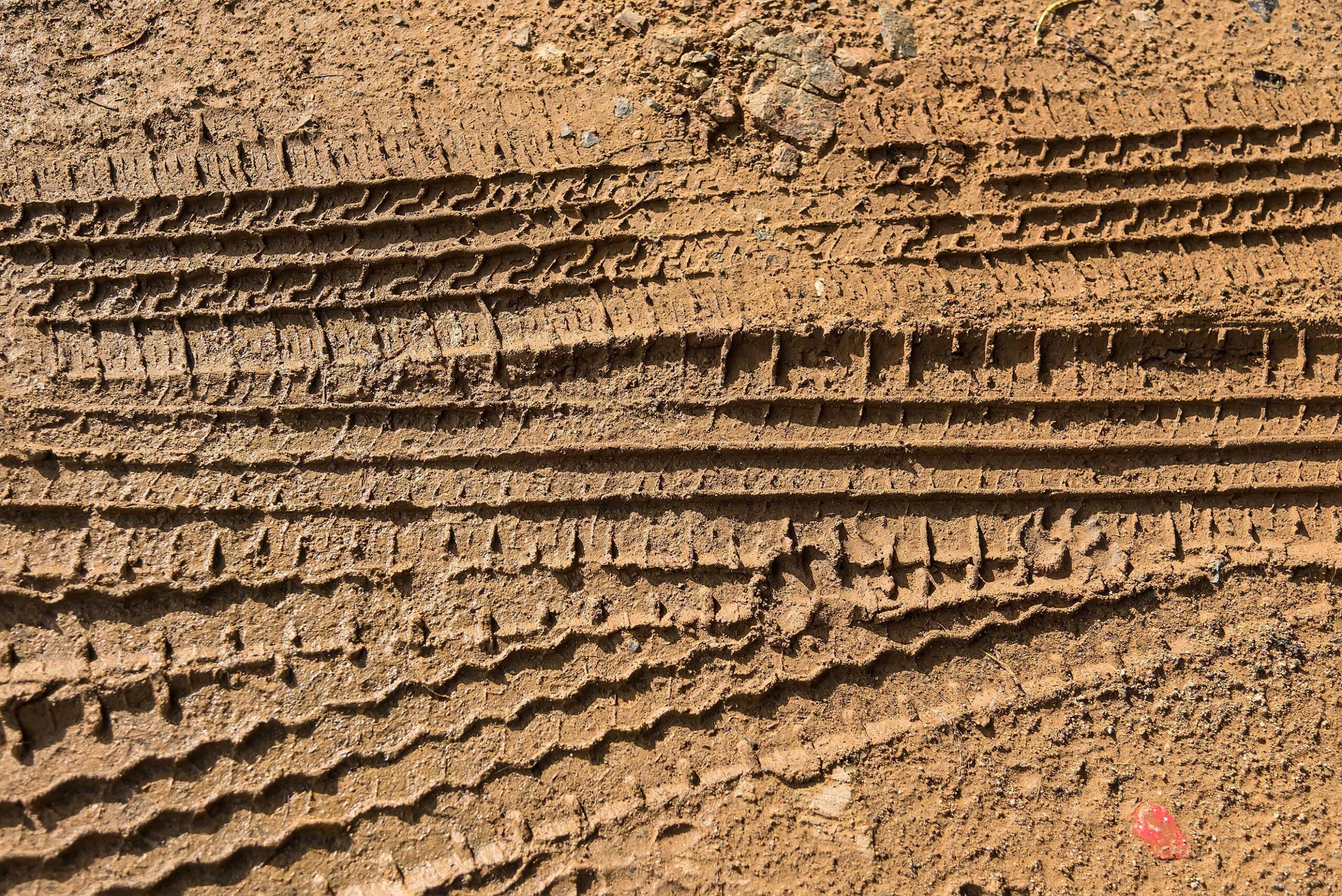
La primavera trae oportunidades, pero también trae lodo, humedad y terreno impredecible. Lo has visto un centenar de veces. Se va la escarcha, llega la lluvia y el terreno no coopera.
Las tripulaciones jóvenes podrían querer superarlo. Aquí es donde intervienes.
Enséñales a leer la tierra primero
Antes de que se rompa la primera pala contra el suelo, recuérdales que se tomen un minuto. La tierra saturada lo cambia todo: la estabilidad de la zanja, la ubicación del equipo, el rendimiento del lecho. Lo que funcionó el otoño pasado no siempre funcionará hoy. Muéstrales cómo leer el terreno en lugar de luchar contra él.
Enséñales cómo proteger la trinchera
Las condiciones blandas exigen respeto, explícales el apuntalamiento adecuado. Haz que miren las paredes laterales. Mantén los montones de tierra retirados, en su lugar. Necesitan entender que una instalación apresurada en terreno húmedo no solo cuesta tiempo. Arriesga la seguridad. Es mejor que aprendan esa lección de ti que de un derrumbe.
Frene su avance en la compactación
Sabes que la humedad cambia el material de cama y el relleno. Quizás ellos aún no lo sepan. Enséñales por qué la compactación adecuada ahora previene asentamientos y reclamaciones posteriores. Esta es la diferencia entre un trabajo que dura y uno que te perseguirá.
Haz que vean el pronóstico
El clima de primavera cambia rápidamente. Muéstrales cómo planificar para la lluvia que se avecina, proteger las zanjas abiertas y salvaguardar los materiales. La previsión es parte de la destreza.
La próxima generación trabajará la tierra mucho después de que nosotros ya no estemos. Esta primavera, no se limite a instalar tuberías, transmita el criterio que hace que los sistemas duren.