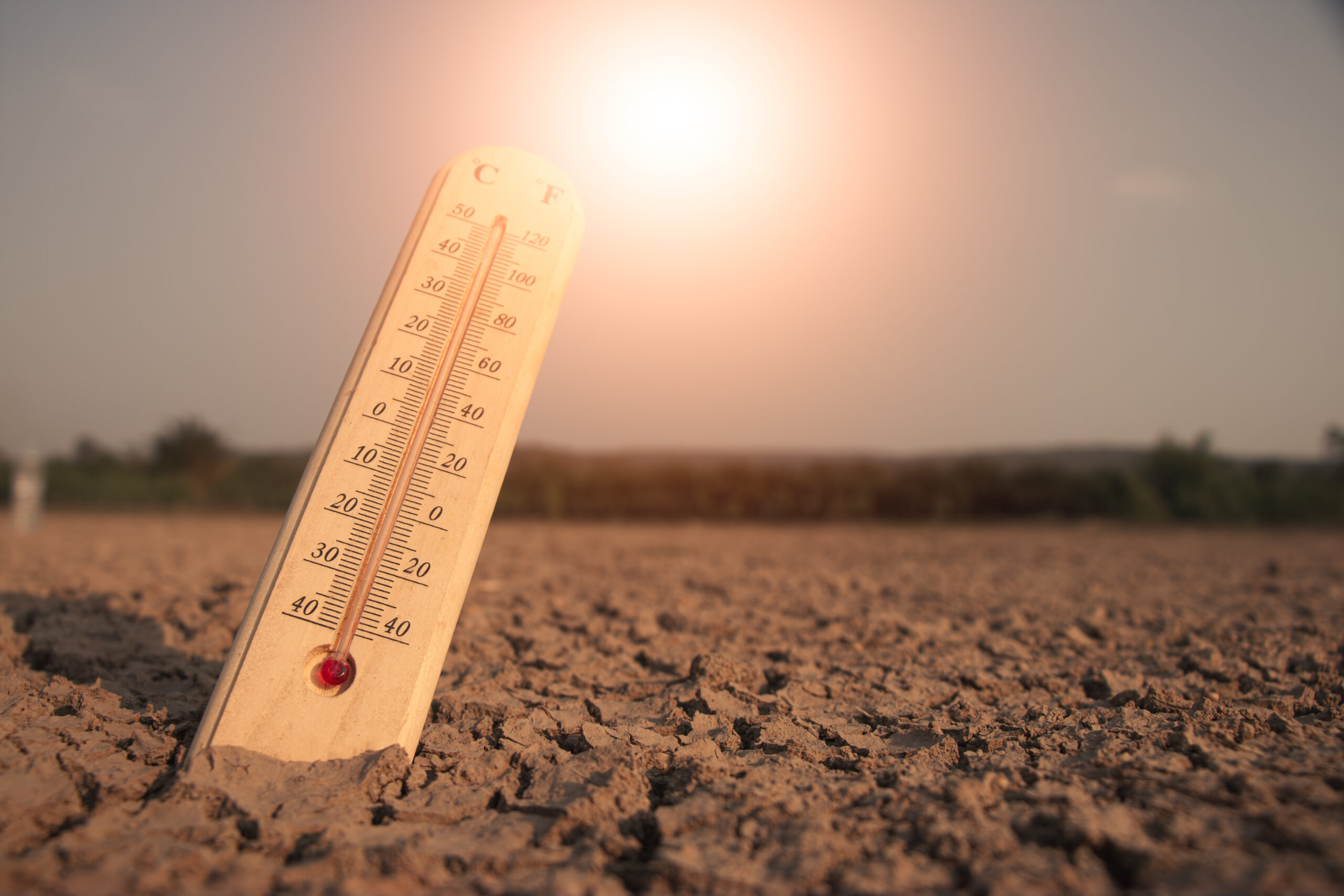






A mediados del verano, el lodo desaparece, pero el polvo entra rodando. El terreno seco crea un nuevo conjunto de desafíos que pueden afectar silenciosamente la seguridad, el rendimiento de los equipos y la calidad de la instalación.
Controlar el polvo en suspensión
El polvo reduce la visibilidad y crea riesgos respiratorios. Use agua cuando sea apropiado, especialmente en áreas de alto tráfico. Mantenga velocidades controladas en los camiones en caminos de acceso secos.
Proteger las piezas móviles
El polvo fino se infiltra en los filtros, las juntas y los sistemas hidráulicos. Inspeccione los filtros de aire con mayor frecuencia durante los periodos secos. Limpie los accesorios antes de hacer las conexiones para evitar la contaminación.
Mantenga la ropa de cama adecuada
Los suelos secos y sueltos se comportan de manera diferente al terreno firme. Asegúrese de que el material de asiento esté colocado y compactado adecuadamente para evitar desplazamientos después de la instalación.
Manténgase alerta al riesgo de incendio
En condiciones extremadamente secas, las chispas de los equipos y los motores calientes pueden representar riesgos de incendio. Mantenga los extintores accesibles y supervise los alrededores.
La sequía estival puede parecer más fácil que el lodo primaveral, pero exige su propia disciplina. Controle el polvo, proteja su equipo y mantenga las instalaciones limpias.