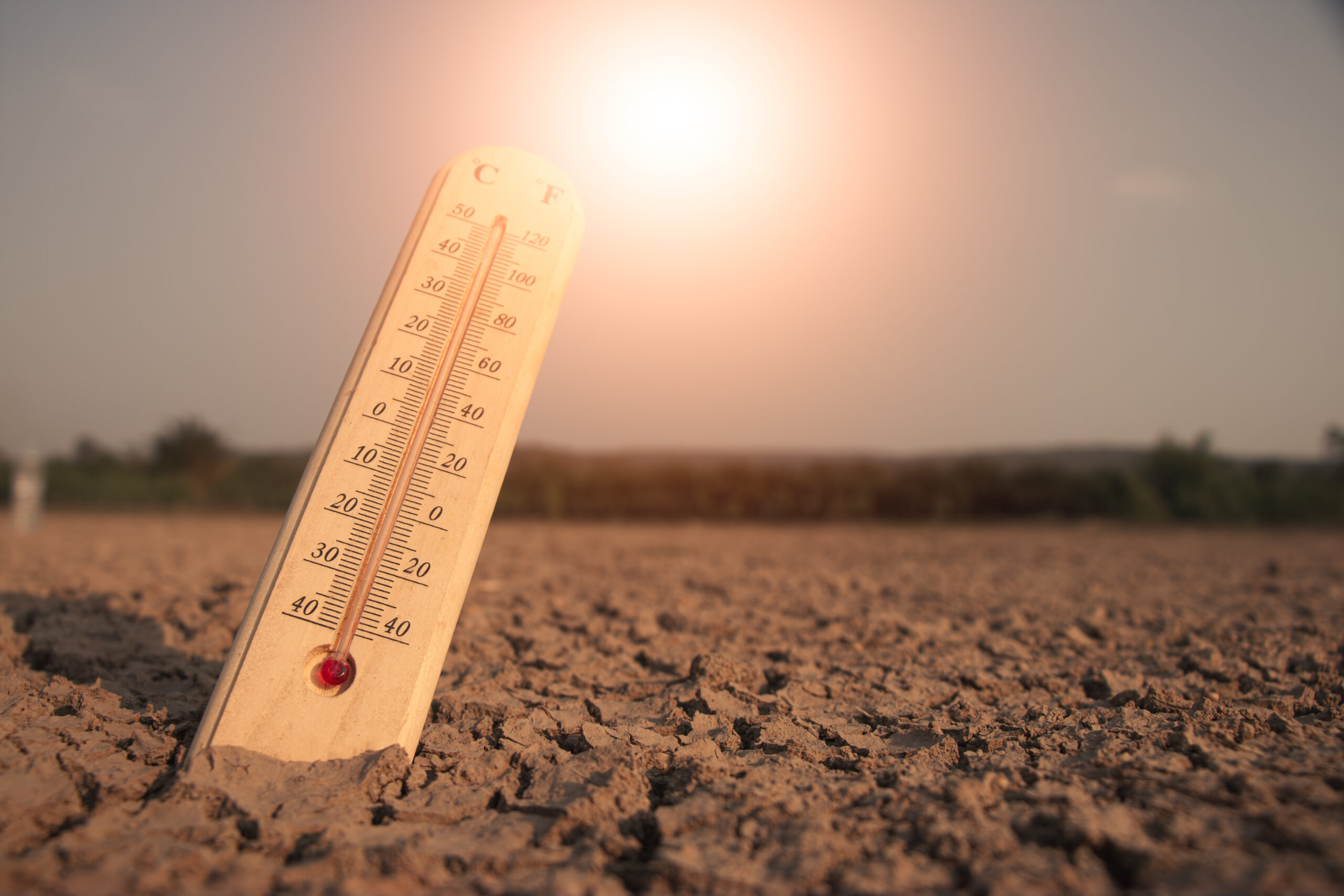





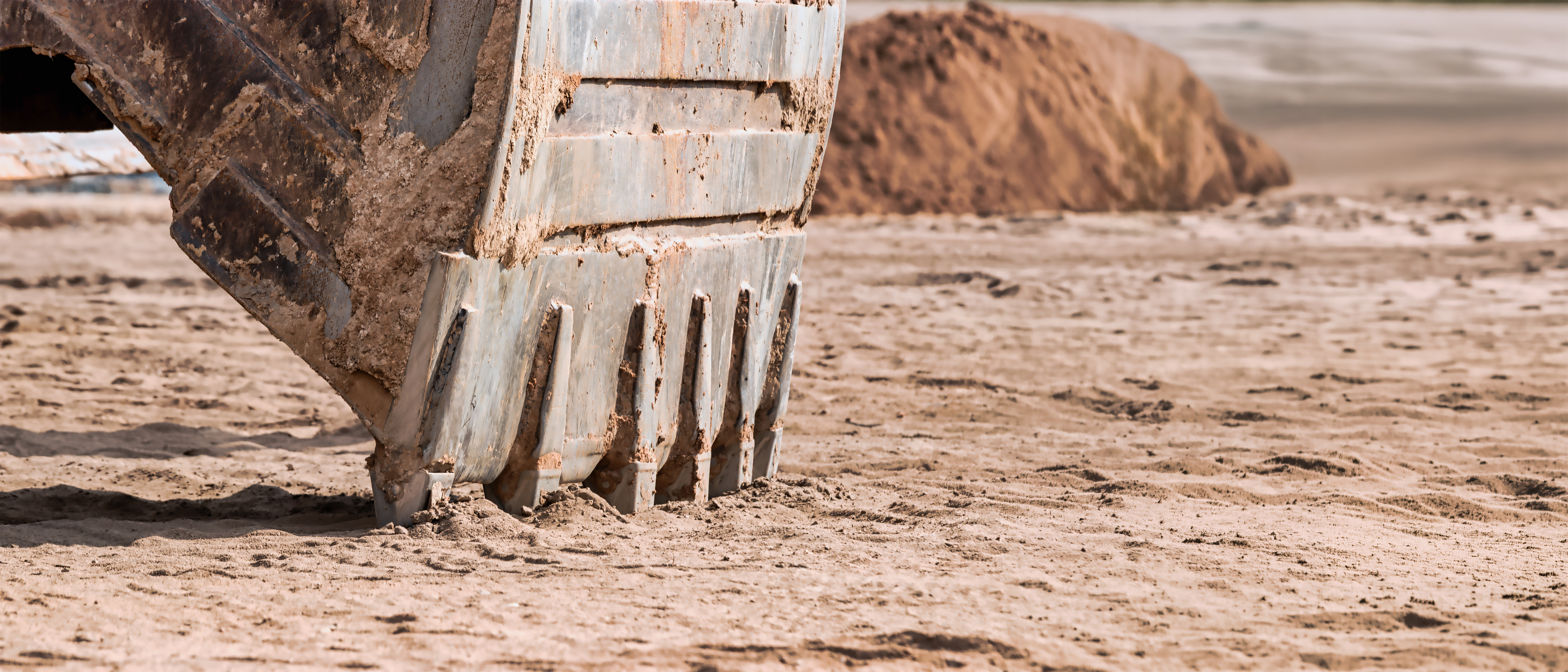
By mid-summer, the mud is gone—but the dust rolls in. Dry ground creates a new set of challenges that can quietly impact safety, equipment performance and install quality.
Control Airborne Dust
Dust reduces visibility and creates breathing hazards. Use water when appropriate, especially in high-traffic areas. Keep truck speeds controlled on dry access roads.
Protect Moving Parts
Fine dust finds its way into filters, joints and hydraulics. Inspect air filters more frequently during dry stretches. Clean fittings before connections to prevent contamination.
Maintain Proper Bedding
Dry, loose soils behave differently than spring ground. Make sure bedding material is properly placed and compacted to avoid shifting after installation. (Source: PPI)
Stay Aware of Fire Risk
In extremely dry conditions, equipment sparks and hot engines can pose fire hazards. Keep extinguishers accessible and monitor surroundings.
Summer dryness may look easier than spring mud—but it demands its own discipline. Control the dust, protect your equipment and keep installs clean.