




Como se ve en el Tried & True Número de invierno de 2022
¿Agricultores que destruyen las malas hierbas con láseres de precisión? ¿drones de siembra de precisión? ¿Granjeros que funcionan con energía solar en lugar de café? Esto no es futurista. Star Trek sino los avances de la tecnología agrícola actual. Después de años de anticipación, la robótica está dando un gran salto en la mano de obra agrícola: marcando una diferencia crítica para los agricultores y ayudando a alimentar el planeta.
¿QUÉ SON LOS ROBOTS AGRÍCOLAS?
Los robots agrícolas consisten en tecnología creada para ayudar específicamente a cultivadores y productores. Con una amplia gama de funciones operativas, estos artilugios y maquinaria automatizada pueden analizar tareas, examinar datos y elegir cómo realizar el trabajo de la forma más óptima posible. Estas maravillosas creaciones realizan muchas tareas al tiempo que ahorran los preciados bienes del tiempo y la energía del agricultor. Muchos productos agrotécnicos son programables, lo que les permite crecer y evolucionar con las necesidades siempre cambiantes de su explotación. Algunos se encargan de labores repetitivas, intensas y físicamente exigentes. Otros se utilizan para tareas especializadas que antes estaban reservadas a quienes tenían un ojo muy entrenado. Tareas como segar cuidadosamente los productos, aprovechar cada centímetro posible para plantar y escardar a mano. Los ojos entrenados y el conjunto de habilidades necesarias para estas tareas ahora pueden caer en las manos capaces y robóticas de la inteligencia artificial.
LA CARRERA DE LAS NUEVAS EMPRESAS DE AG-TECH
Durante años, los robots han cubierto diversas necesidades, desde los centros de atención al cliente hasta la industria del automóvil, pasando por otros sectores. A lo largo de las décadas, las empresas han recurrido a los avances de la ingeniería para la atención al cliente, el embalaje, el envío, la fabricación y las líneas de producción. 2020 abrió una importante vía para que el espacio agrícola se uniera a la era tecnológica. Durante años, la automatización ha estado en marcha en segmentos de la industria agrícola. Los dos últimos años han supuesto un punto de inflexión para el progreso, y la agricultura ha recibido a los inversores de capital riesgo con los brazos abiertos.
En 2020, grupos bien financiados invirtieron $6.100 millones en startups ag-tech con sede en Estados Unidos, un aumento de 60% respecto a las cifras de 2019. Esa cantidad de dinero es aún más asombrosa si se compara con la cantidad de dólares invertidos en ag-tech hace solo diez años: $332 millones. Las empresas que crean la trifecta de la tecnología -robótica, visión asistida por ordenador y automatización- recibieron la mayor cantidad de dólares en rondas de financiación. Estos activos emprendedores de la agrotecnología vieron en la innovación agrícola una oportunidad para aliviar los antiguos retos de eficiencia del agricultor, aumentar la producción de alimentos y crear un mercado prácticamente sin explotar. Entre la agricultura vertical en interiores y la mejora de la automatización en cualquier clima interior o exterior, la carrera está abierta para el desarrollo de productos de software de IA a la planificación predictiva de rendimiento y más allá. Aunque los agricultores agradecen las formas de aumentar el rendimiento de la inversión y el crecimiento, los productos agrotecnológicos actuales deben resolver los problemas de los agricultores de hoy a un precio que tenga sentido ahora y a largo plazo.
LOS PRODUCTOS
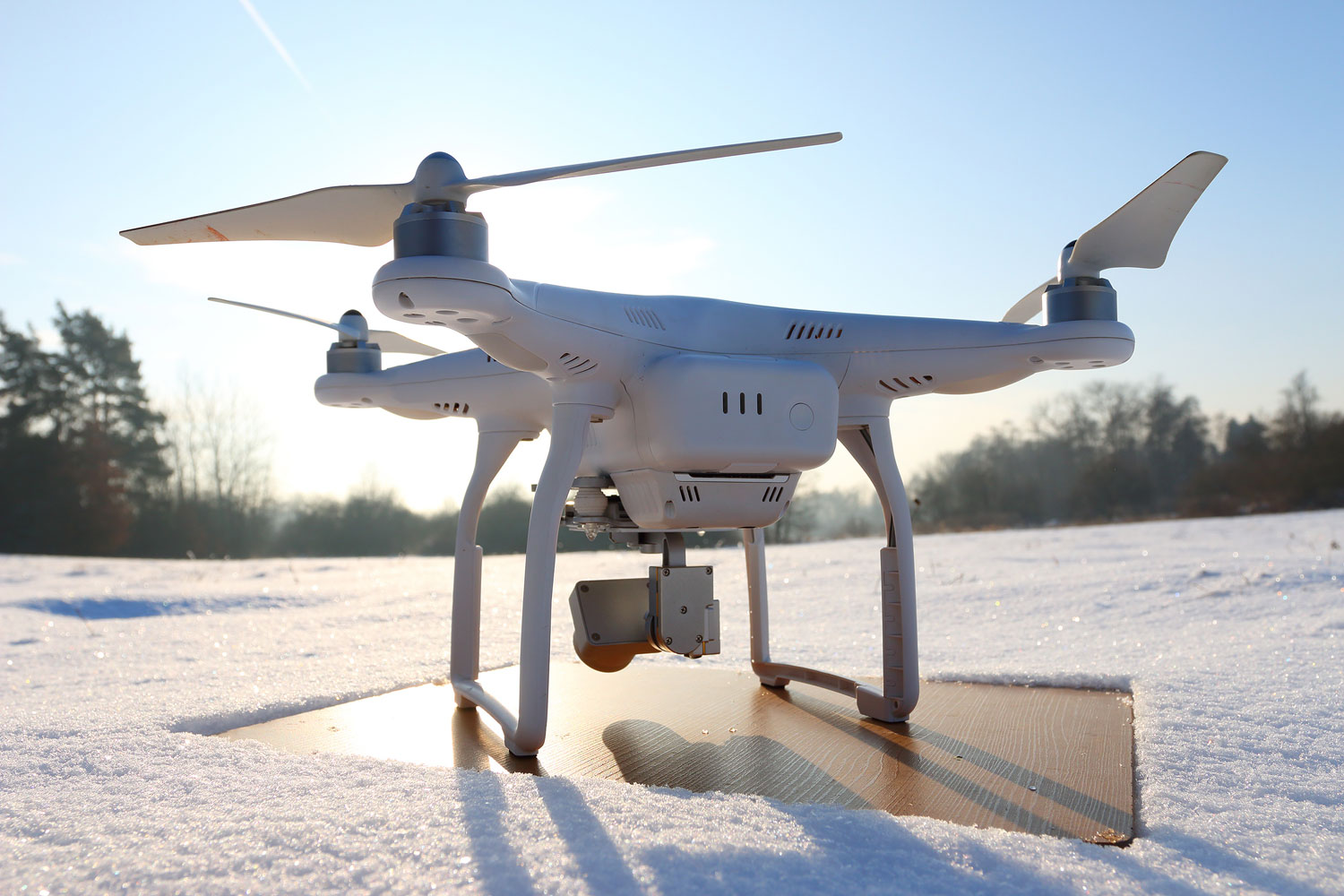
El futuro de la agricultura es nada menos que sofisticado. Desde drones que se comunican con satélites para recoger datos sobre el terreno hasta sensores de humedad con Wi-Fi que ayudan a conservar el agua, estos dispositivos diligentes impulsan los objetivos agrícolas, algo que en Fratco nos encanta oír. Por ejemplo, los robots lo bastante ágiles como para arrancar lechugas de los campos o bayas de los tallos dejan los productos intactos y nada detrás. Esto equivale a mejores rendimientos en el mercado y más comida en los platos: ventajas desde todos los puntos de vista.
Pregunte a un agricultor cómo es su campo perfecto y probablemente oirá la respuesta "cero malas hierbas". La siembra directa es una forma popular de cuidar el suelo, lo que suele implicar un mayor uso de herbicidas. Aparecen los robots herbicidas y los robots láser. Estas máquinas pueden detectar las diferencias entre los cultivos y las raíces invasoras, y eliminar lo que no debería estar presente sin perturbar el crecimiento de las plantas. Sea cual sea la tecnología o su función, estos inventos ayudan a los agricultores a completar las tareas, lo que significa que los agricultores se cansan menos, tienen más resistencia para seguir haciendo el trabajo que les gusta y llevan su negocio a una nueva era.
LOS BLOQUEOS
El cambio climático, la explosión demográfica, el envejecimiento de la mano de obra agrícola y la escasez de mano de obra: estos retos alcanzan niveles críticos en EE.UU. y seguirán aumentando. Por eso la agricultura está madura para la disrupción de la automatización. Cualquiera que sea el producto ideado y desarrollado por una empresa de tecnología agrícola, debe mejorar el flujo de trabajo de una explotación en lugar de interferir en él. Invertir en robots que entiendan las necesidades de riego o ayuden como un par de manos extra no es prudente si la tecnología no puede trabajar en tándem con el empaquetado y la distribución de la cosecha. En las grandes explotaciones, la inversión sería astronómica para sustituir todos los procesos en curso. Las explotaciones pequeñas y medianas son el caldo de cultivo perfecto para las nuevas tecnologías. Puede que no dispongan del capital necesario para invertir en sistemas masivos, pero a través de asociaciones con empresas emergentes que buscan abrirse camino en el mercado de la agrotecnología, los desarrolladores pueden demostrar que su producto merece la pena para ayudar a los agricultores.
Los agricultores son conocidos por pensar de forma innovadora para resolver problemas. Las startups nacen porque ven una necesidad climática actual. La unión de estos pensadores para resolver problemas reales de los agricultores es una victoria tanto para los inventores como para los productores de alimentos. Las soluciones agrotécnicas permiten a los agricultores centrarse en sus funciones y dedicar más tiempo a lo que tiene sentido para su negocio. Y estas prometedoras empresas tienen su producto en funcionamiento sobre el terreno para atraer a más clientes potenciales e inversores.
Encontrar mejores formas de trabajar de forma más inteligente y no más dura es lo que hace que nuestros equipos de Fratco sigan trabajando duro para ofrecerle tuberías duraderas y que funcionen en tándem con los productos de alta tecnología de hoy y de mañana. Desde conservar el agua hasta ayudarle a tomar decisiones inteligentes para su cuenta de resultados, puede confiar en que seguiremos innovando en el sector que amamos desde hace casi 100 años.
Fuentes: The New York Times, Ecorobotix, Earth Sense, Carbon Robotics y Smithsonian Magazine