




A century of innovation has transformed the drainage industry but some fundamentals remain as important today as they were in 1923. When E.C. Overmyer purchased the Francesville Clay Products factory in 1923 and focused the business on drainage products, the industry looked dramatically different from what it does today.
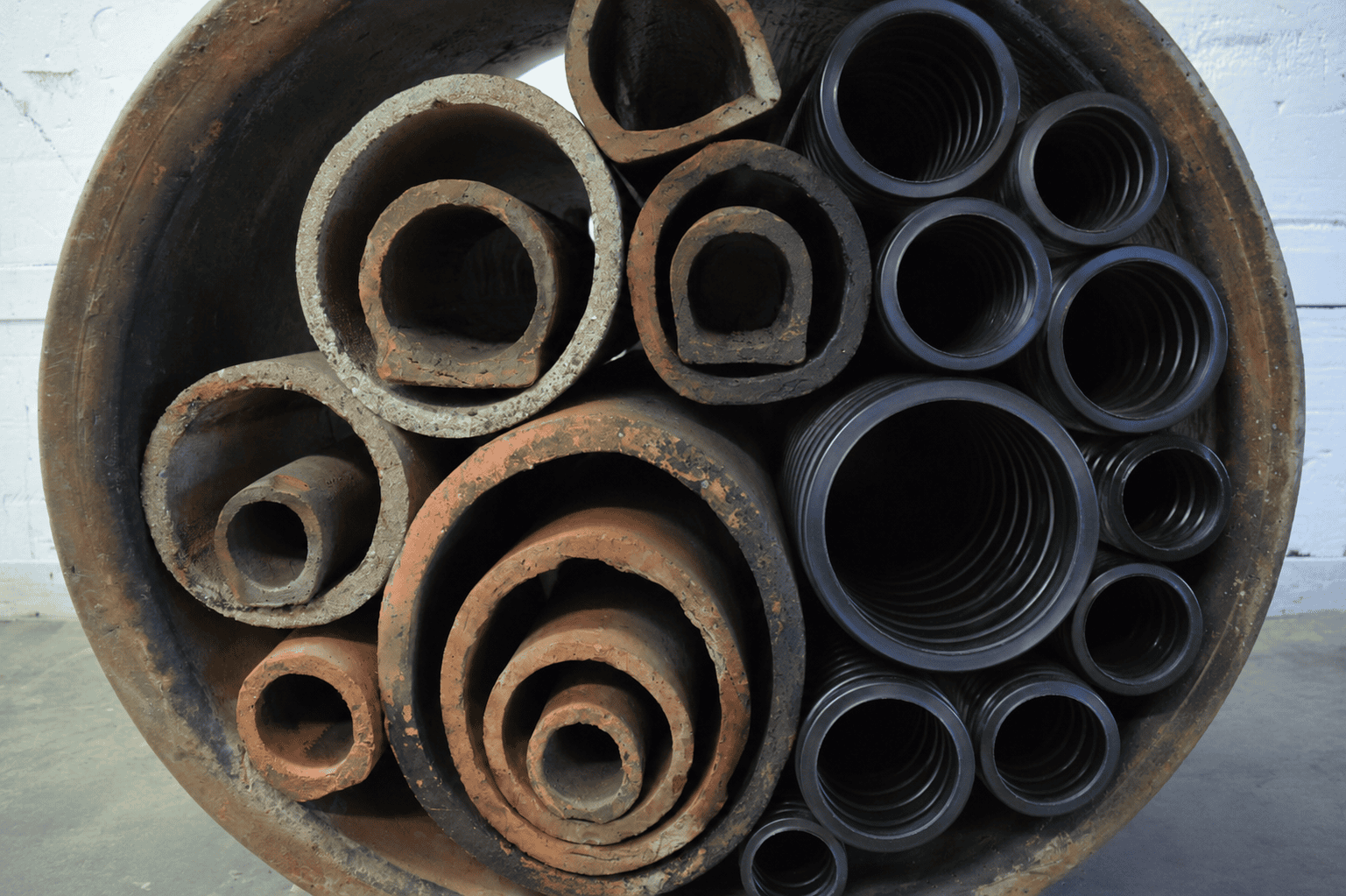
Clay tile was the standard. Installation required intensive labor. Contractors worked without GPS, laser guidance, computer mapping or the specialized equipment that has become commonplace across today’s job sites.
Over the past century, nearly every aspect of drainage has evolved. Materials changed from clay to plastic. Installation methods became faster and more precise. Manufacturing technology advanced. Equipment grew larger, smarter and more capable.
Yet for all the innovation that has shaped the industry, some things have remained remarkably consistent. The fundamentals that drove successful drainage projects a century ago continue to drive successful projects today.
Water Still Follows Gravity
Perhaps the simplest truth in drainage is also the most important. No matter how sophisticated equipment becomes, water still moves according to the same natural laws that governed the first drainage systems installed generations ago.
Contractors today have access to technologies that provide levels of accuracy unimaginable in the early twentieth century. GPS systems, laser-guided equipment and digital mapping tools help achieve precise grades and efficient designs. But the objective remains unchanged: create a pathway that allows water to move where it needs to go. Technology may have changed how drainage is installed, but it hasn’t changed how drainage works.

Product Quality Still Matters
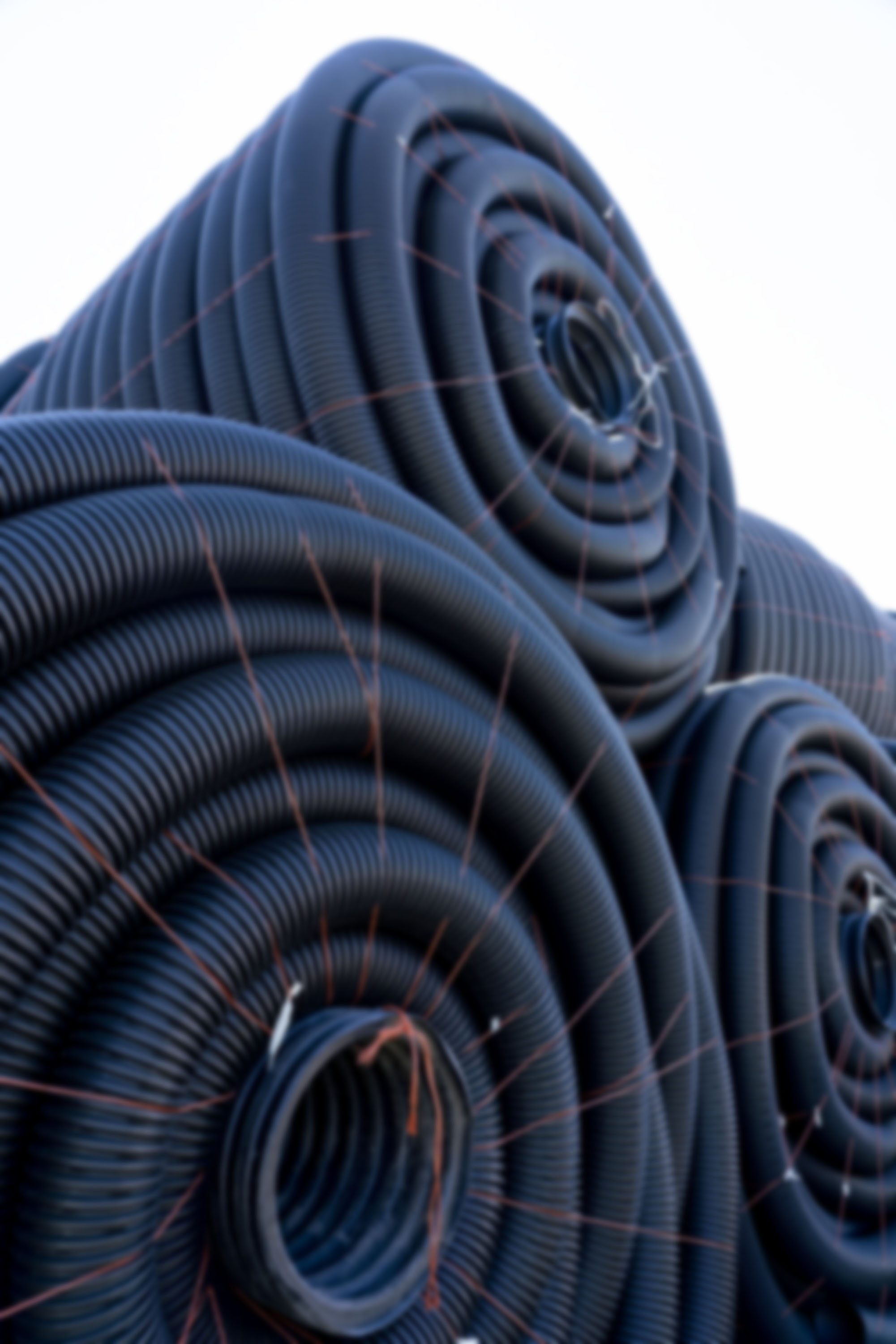
Over the decades, drainage materials have evolved significantly. Clay tile gave way to corrugated plastic pipe. Manufacturing methods improved. Product offerings expanded to meet the needs of agricultural, residential, commercial and municipal applications.
Despite these changes, one principle has remained constant: the quality of the materials used influences the long-term performance of the system. Whether a contractor was installing clay tile in the 1920s or HDPE pipe in 2025, the expectation has always been the same. The system should perform reliably for years to come.
The products may look different from what they once did, but the importance of quality has never diminished.

Good Installation Never Goes Out of Style
Modern drainage contractors benefit from equipment that can install more pipe in a day than previous generations could have imagined. Yet even with advancements in machinery and technology, successful projects still depend on skilled people. Experience, attention to detail and a commitment to doing the job correctly remain essential components of every installation.
Equipment can improve efficiency. Technology can improve accuracy. But neither can replace craftsmanship. The industry’s best contractors have always understood that quality work begins with the people performing it.
Every Property Is Different
One lesson that has remained true across generations is that no two projects are exactly alike. Soil conditions vary. Topography changes. Weather patterns differ from region to region. Each site presents its own challenges and opportunities. For that reason, successful drainage has always required problem-solving.
The tools available today are more advanced than ever, but the ability to evaluate conditions and adapt solutions to meet specific needs remains one of the industry’s most valuable skills. There was no one-size-fits-all solution in 1923, and there isn’t one today.

Relationships Continue to Drive Industry
Perhaps the greatest constant throughout the history of drainage has been the importance of relationships. For generations, the industry has been built on trust between manufacturers, contractors, dealers, engineers and property owners.
Technology has transformed communication. Businesses have expanded beyond local markets. Projects have grown larger and more complex. Yet success still depends on people working together toward a common goal. The strongest businesses in the industry are often those that understand this principle best. Equipment changes. Products evolve. Relationships endure.

The Need For Drainage Hasn’t Changed
While methods and materials have advanced, the reason drainage exists remains exactly the same. Farmers need productive fields. Communities need reliable infrastructure. Property owners need protection from excess water.
For more than a century, drainage has helped make land more usable, productive and resilient. That mission remains as relevant today as it was when clay tile first gained popularity across the Midwest.

Looking Ahead
The next century will almost certainly bring innovations that are difficult to imagine today. Equipment will continue to improve. New materials will emerge. Technology will reshape how projects are planned and installed.
But if history teaches us anything, it is that the fundamentals will remain. Water will still follow gravity. Quality will still matter. Skilled contractors will still make the difference. Relationships will still be valuable. And the challenge of managing water effectively will continue to drive the industry forward.
After a hundred years of change, those are the principles that have stood the test of time.