




As many of you know, when it comes to drainage, a lot of attention goes to the plastic. Size, strength, flexibility—those are often the features that get discussed at the jobsite. However, what also matters is what happens inside the pipe, where flow is determined by a few simple rules that can make or break a project.
Whether you’re draining a subdivision, controlling runoff in a commercial parking lot, running a mainline for agricultural runoff or replacing municipal infrastructure, understanding flow basics can help you choose the right pipe and keep your system running as it should.
Flow 101: The Basics of Water Movement Through Pipe
Water moves the way it always has, downhill and toward the path of least resistance. For gravity-fed drainage systems, the key is to design a path that water wants to follow. That means paying close attention to slope, diameter, and internal friction.
Most drainage systems aren’t pressurized like city water mains. Instead, they use open-channel flow, which means the pipe only runs partially full and relies on gravity to carry water from one end to the other. In open-channel flow, the smoothness of its interior and the steepness of its slope all affect how well water moves.
Smooth pipes, steeper slopes, and wider diameters all help water flow faster. But push those too far, and you run into issues—like scouring at the outlet or unnecessary cost from overexcavation. That’s where understanding the numbers behind flow can give you an edge.
MEET MANNING’S “n”: THE COEFFICIENT OF SMOOTHNESS
Manning’s Equation is the go-to formula engineers use to calculate flow in open-channel systems. It looks like this:
Q = (1.486/n) x A x R^⅔ x S^½
No need to memorize it, but many would say one piece matters more than the rest: Manning’s “n”, the roughness coefficient. In simple terms, it tells you how smooth the pipe is on the inside. The lower the number, the smoother the flow.
Here’s a quick look at how different materials stack up:
- Concrete pipe: n ≈ 0.013
- Smooth-walled plastic pipe: n ≈ 0.012
- Corrugated single-wall pipe: n ≈ 0.022
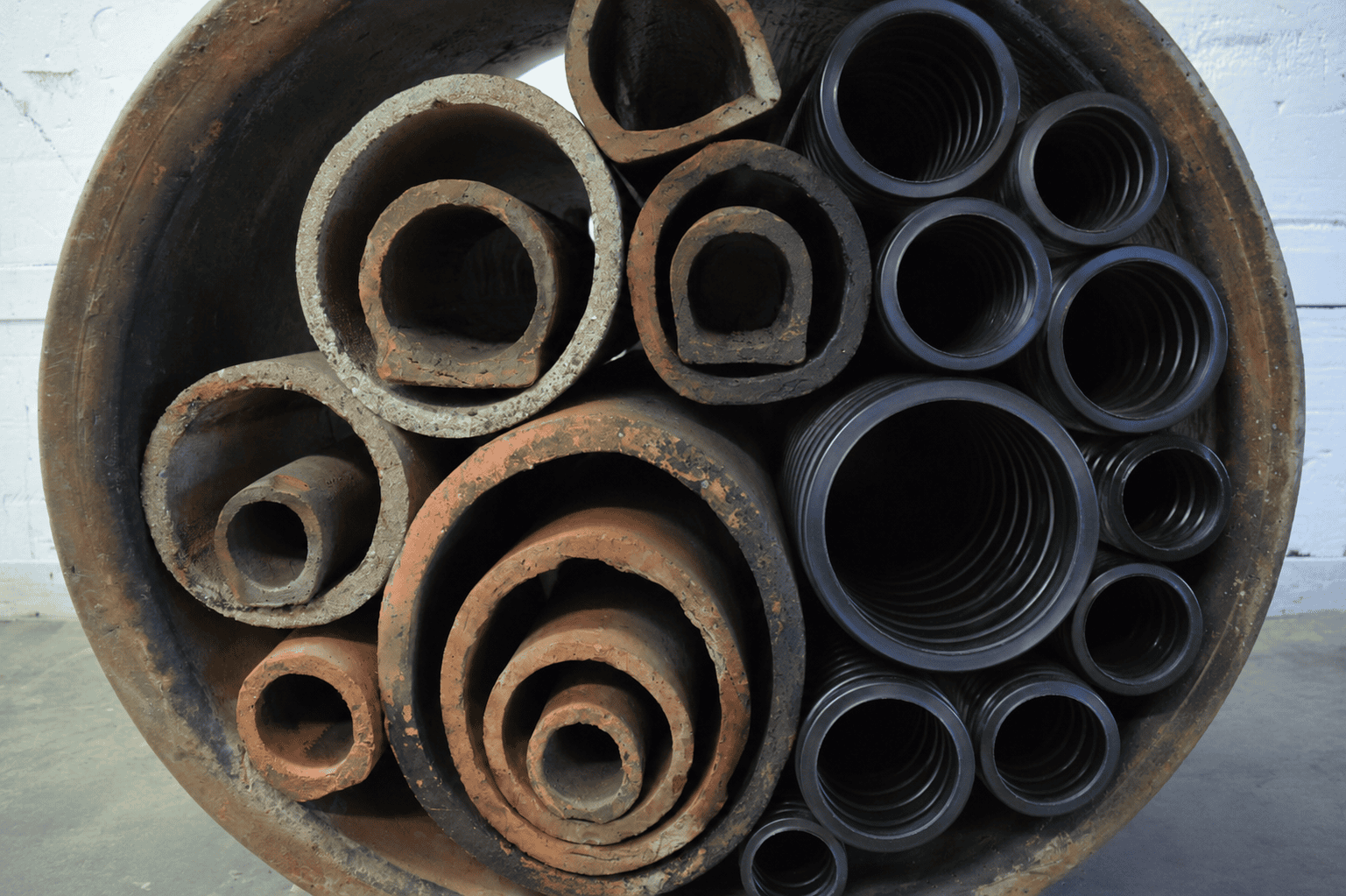
As expected, a dual-wall pipe with a smooth inner wall moves water faster and more efficiently than a single-wall pipe with corrugations inside. A small difference in “n” can make a big difference in real-world performance, especially in long runs or systems that operate near capacity. It boils down to the math: smooth-walled plastic pipe outflows concrete.

Why Pipe Design Matters: Flow in Action

SmoothCorr (HDPE)
Pipe that’s built around that concept. It combines the strength and flexibility of a corrugated outer wall with a smooth interior surface that promotes faster flow. It’s ideal for most dual-wall drainage installs, giving you the durability you need without sacrificing performance.

FlexCorr (HDPE)
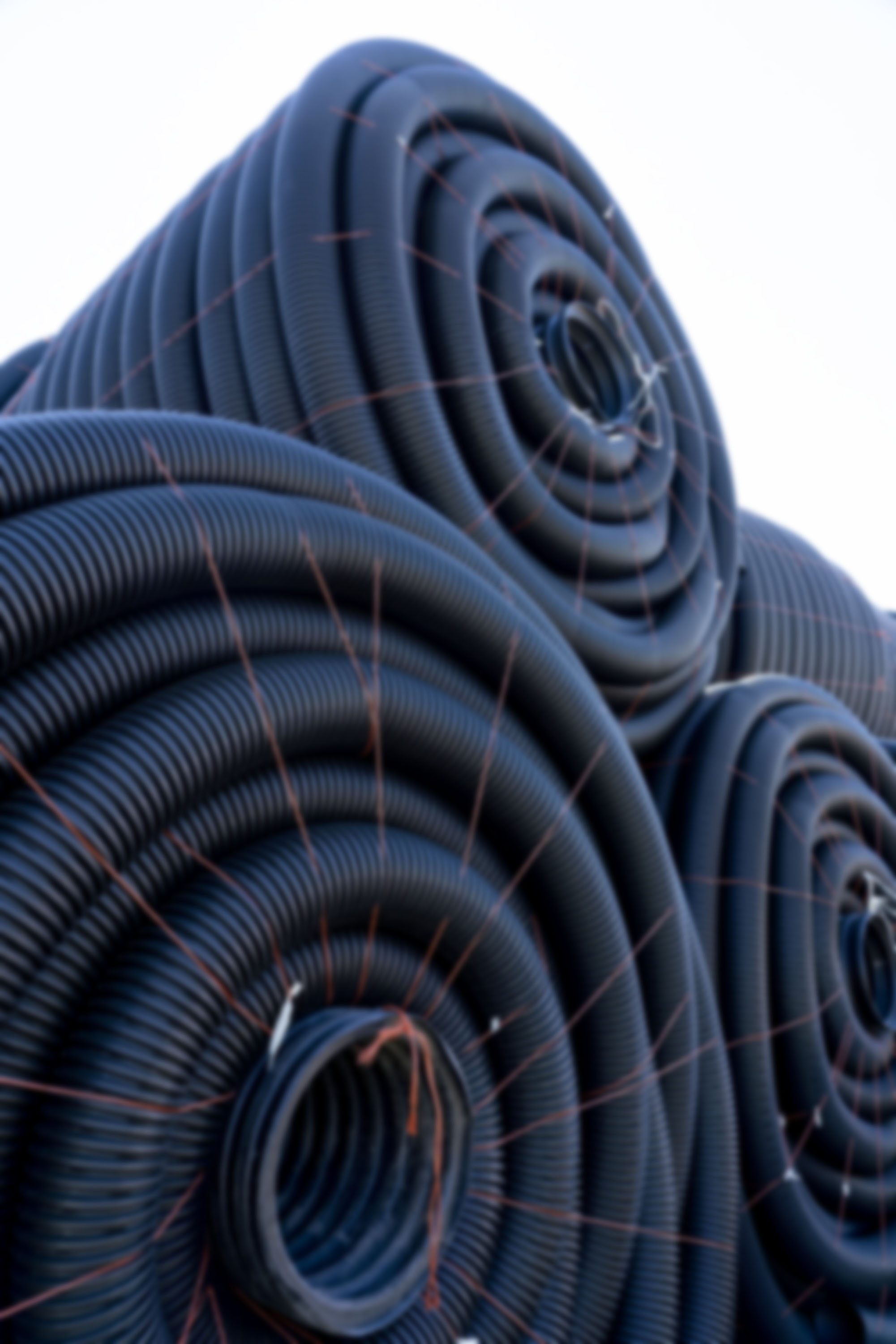
Built for adaptability. Its highly flexible dual-wall design makes it ideal for jobs with tricky terrain, tight contours or areas where rigid pipe just won’t lay right. FlexCorr can be installed with a drainage plow, making installation faster and reducing the need for precise trench shaping, all while maintaining the strength needed for reliable drainage.

ProCorr (HDPP)
Fratco’s heavy-duty solution for tough conditions. Its high-density polypropylene construction resists chemical corrosion and stands up to aggressive soils and fertilizers. With a rigid dual-wall design, ProCorr maintains exceptional flow capacity while delivering the strength needed for heavy-load applications. It’s ideal for commercial, municipal or large-scale ag projects where long-term performance and reliability are a must.
Each pipe brings a different advantage to the job, though all dual-wall pipe offers high-flow efficiency, which helps reduce sediment buildup and cut down on maintenance. The right pipe depends on what the site demands—but either way, smart pipe selection leads to better performance and fewer headaches down the road.
Slope: The Invisible MVP
Slope can be one of the most overlooked factors in pipe performance, but it shouldn’t be. Water can’t move without gravity, and even small changes in slope have a big impact.
A slope of 0.5%, just 6 inches of drop over 100 feet, might not sound like much, but it’s enough to keep water moving in most drainage systems. Get the slope wrong, though, and even the best pipe will fail to perform.
Capacity vs. Velocity: What Are You Designing For?
Bigger pipe holds more water. Faster-moving water clears out debris. Both are good, but you rarely get both at the same time.
A larger diameter increases capacity but requires more digging and bedding, which adds to time and cost. Higher velocity helps move solids and prevent blockages, but too much speed can erode outlets and channels. The key is to find a balance based on the project’s needs.
Fratco’s dual-wall variants help contractors make those trade-offs. SmoothCorr, available in virgin and recycled, provides efficient, high-flow performance as the default in standard applications. While FlexCorr and +ProCorr, both made from virgin resin, are ideal in more demanding sites, providing strength and ease of installation compared to traditional options like concrete. The right pipe is the one that fits the job, not just the specs on paper.
Why It’s Not Just About the Pipe—It’s About the System
Even the best pipe can’t fix a bad design. Poor inlet placement, mismatched elevations and underperforming outlets can all cause backups or failures, no matter how smooth the inside of the pipe is.
That’s why Fratco offers more than just pipe. Their team is available to support engineers and contractors with product recommendations and system insights when needed. Whether it’s helping select the right pipe for the site or providing input on tricky drainage challenges, Fratco’s goal is the same: to help water go where it’s supposed to, efficiently and reliably.
In the End, It’s Simple
Water follows physics. It doesn’t care what the invoice says or what the pipe looks like above ground. It moves the way nature tells it to. If you understand that and use the right products in the right way, you’ll build systems that work, last and make the client happy.
Because drainage isn’t just about what goes in the ground, it’s about what happens inside the pipe once you walk away.
Learn more about Fratco pipe